Short Answer
Yes, through Linux. Chrome OS includes a built-in Linux development environment that lets you install the Java Development Kit (JDK) and run Java applications directly on your Chromebook. You don’t need any third-party tools or workarounds.
Long Answer
When this article was originally published in 2014, the answer was a flat “no.” Chrome OS didn’t support Java in any practical way, and the only option for determined users was to install a separate Linux system through an unofficial tool called Crouton. That project has since been discontinued, and thankfully it’s no longer necessary.
Google added official Linux app support to Chrome OS through a feature called the Linux development environment (originally codenamed Crostini). You can enable it by opening Settings > Advanced > Developers > Linux development environment and following the setup prompts. Once it’s running, you have access to a full Debian-based Linux terminal right inside Chrome OS.
From there, installing Java is straightforward. Open the Linux terminal and run:
sudo apt update && sudo apt install default-jdkThat installs the OpenJDK, which includes both the Java Runtime Environment and the development tools you need to compile and run Java programs. You can verify everything worked by typing java -version in the terminal. If you need a specific version like Java 17 or Java 21, those are available through the same package manager. This works because Chrome OS is built on Linux under the hood, so standard Linux packages install and run without any special modifications.
This means you can run Java IDEs like IntelliJ IDEA or Eclipse, build Android apps, run Minecraft Java Edition, or work through a college programming course, all directly on your Chromebook. Once installed, Java applications work without internet since they run locally in the Linux container. If you’d rather not install anything locally, Chrome Remote Desktop still works well for accessing Java applications on another computer.
Choosing a Chromebook for Java Development
Not every Chromebook handles Java development equally well. The Linux environment runs inside a container, which adds some overhead, so you’ll want a machine with enough headroom to keep things responsive. Look for at least 8GB of RAM and a modern processor; anything less and you’ll notice lag when compiling larger projects or running an IDE.
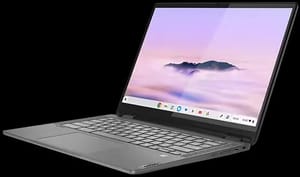
The Lenovo IdeaPad Flex 5i Chromebook Plus hits the sweet spot for most developers. Its Intel Core i3 processor and 8GB of RAM handle the Linux environment and Java tooling without breaking a sweat, and the convertible design with a backlit keyboard makes it comfortable for longer coding sessions. As a Chromebook Plus model, it meets Google’s higher hardware specifications, which translates to smoother multitasking when you’re juggling a terminal, browser, and IDE at the same time.
Lenovo IdeaPad Flex 5i Chromebook Plus